


When you are building a drivetrain for serious competition, material choice is not just a technical detail. It is one of the most important decisions behind the scenes. In high torque environments like tractor pulling, monster trucks, mud racing, and marine competition, gears are pushed far beyond normal operating limits. The material they are made from determines whether they hold up under pressure or become the weak link in your build.
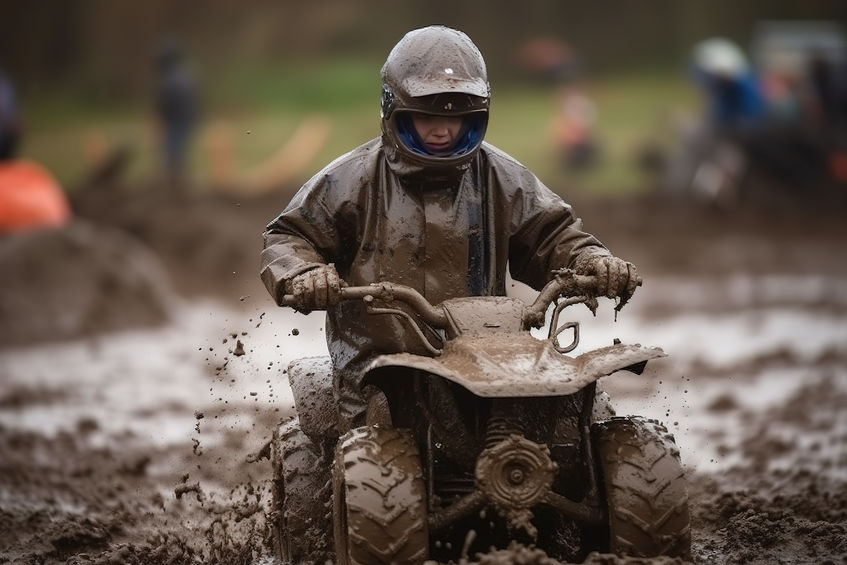
At the horsepower levels many racers are running today, there is no room for compromise. Every launch, every hook, and every sudden traction change sends massive force through the drivetrain. That force ends up at the gear teeth and splines. The right material keeps that force under control.
What Makes High Torque Applications Different
Standard automotive gears are designed for predictable load cycles and moderate stress. Racing applications are different. Torque delivery is aggressive. Shock loading is common. Components see sudden spikes instead of gradual increases.
In high torque setups, gears must handle:
- Rapid torque multiplication
- Hard launches under load
- Repeated stress cycles throughout a season
- Heat buildup from sustained use
Impact loads from traction changes or jumps
Without proper material selection, gears may begin to show signs of fatigue quickly. That can mean chipped teeth, cracked roots, pitting on the surface, or worn splines. None of those issues show up at convenient times.
The Properties That Matter Most
Choosing the right alloy starts with understanding what the application demands. Strength alone is not enough. The material must offer a combination of key properties.
Strength
High tensile strength allows a gear to resist bending or twisting when torque loads increase. In competitive racing, torque levels can spike instantly, so the material must withstand those peaks without deforming.
Toughness
Toughness is the ability to absorb impact without cracking. A gear that is extremely hard but brittle may fail under shock load. Toughness allows the gear to survive sudden force without fracturing.
Surface Hardness
The surface of each gear tooth needs to resist wear and scoring. High surface hardness protects against pitting and abrasion, especially in quick change systems and transfer cases where contact pressure is high.
Fatigue Resistance
Racing is not just one high load event. It is repeated stress. Fatigue resistance keeps microscopic cracks from forming and spreading after repeated cycles.
The ideal gear material combines a hardened outer surface with a tough inner core. That combination allows the tooth face to resist wear while the body of the gear absorbs shock.
Common Alloys Used in Performance Gearing
Different applications may call for different materials, but several alloys are widely respected in high performance environments.
8620 Alloy Steel
8620 is commonly used in performance gears because it responds well to carburizing. This process hardens the outer case while keeping the core strong and ductile. That balance makes it a solid choice for high torque gearsets.
9310 Alloy Steel
9310 is known for excellent fatigue resistance and durability under repeated loading. It is often chosen for applications where reliability over time is critical.
4140 and 4340 Chromoly Steels
These materials are frequently used for shafts and splined components. When heat treated properly, they offer impressive strength and resistance to torsional stress.
Material selection is never about picking the strongest steel available. It is about selecting the right steel for the type of load, shock, and duty cycle the gear will experience.
The Role of Heat Treatment
Material alone does not determine performance. Heat treatment is equally important. The same alloy can perform very differently depending on how it is processed.
Processes such as carburizing, quenching, tempering, and induction hardening are used to achieve the desired hardness and toughness levels. Proper heat treatment ensures that the outer case is wear resistant while the inner structure remains resilient.
Precision control during heat treatment reduces distortion and helps maintain tight tolerances. In racing applications where gear mesh and backlash matter, that precision is critical.
Matching Material to the Application
Not all high torque applications stress components in the same way.
Tractor pulling places massive, sustained load on drivetrain components. Materials must prioritize core strength and long-term fatigue resistance.
Monster trucks deal with extreme shock from landings and throttle input. Toughness becomes especially important in these cases.
Mud racing and off-road competition create unpredictable traction changes. Gears must handle sudden torque spikes without cracking.
Marine racing combines continuous load with environmental exposure. Fatigue resistance and durability over time are key.
Each environment places different demands on the gearset. Selecting the correct material ensures the drivetrain can handle those demands consistently.
Splines and Torsional Load
Spline gears and shafts experience intense twisting force. If the material is too soft, the spline engagement can be worn prematurely. If it is too brittle, it may crack under load.
Proper alloy selection combined with controlled heat treatment ensures splines maintain tight engagement and reliable torque transfer. In high performance systems, even minor spline wear can affect efficiency and performance.
Performance and Longevity Go Hand in Hand
Racers often focus on horsepower and gear ratios, but material selection plays just as large a role in winning seasons. A gear that survives one event but fails mid-season is not truly high performance.
The right material allows for:
- Consistent torque transfer
- Reduced maintenance intervals
- Greater confidence on race day
- Longer service life under extreme load
In high torque gear applications, durability is performance. Every component must work together without becoming a liability.
When material selection is handled properly, the drivetrain becomes a dependable foundation for the rest of the build. That reliability gives racers the freedom to focus on tuning, strategy, and execution instead of worrying about what might break next.
High torque racing pushes equipment to its limits. Choosing the right material ensures your gears are built to handle every launch, every pull, and every hard hit with confidence. Contact SCS Gearbox at 419-483-7278 today or visit us online for all your quick-change gear products!